Trying to choose between Weston’s gated communities can feel like comparing apples to oranges. Each neighborhood promises pools, parks, and a polished look, but the real differences show up in the details you cannot see on a quick drive. You want a home that fits your daily routine, budget, and long-term plans without surprises. In this guide, you will learn how to compare amenities, HOA structure, fees, reserves, and rules so you can build a smart short list with confidence. Let’s dive in.
How Weston’s gated communities operate
Weston is a master-planned city where most homes sit inside private developments governed by associations. The City requires HOAs to register annually and publishes a current list you can use for verification and contacts. You can review the City’s overview on associations and find the latest registry on the official HOA page and the annual registration list. These two resources are your starting point for due diligence:
- Explore the City’s HOA overview page to understand how associations work in Weston: Homeowners’ Associations resource.
- Confirm the official name and manager for any community using the City’s registry: HOA Annual Registration list.
Compare amenities the right way
The amenity package defines day-to-day living and often explains fee differences. Look at both physical features and how those features are managed.
Pools and clubhouses
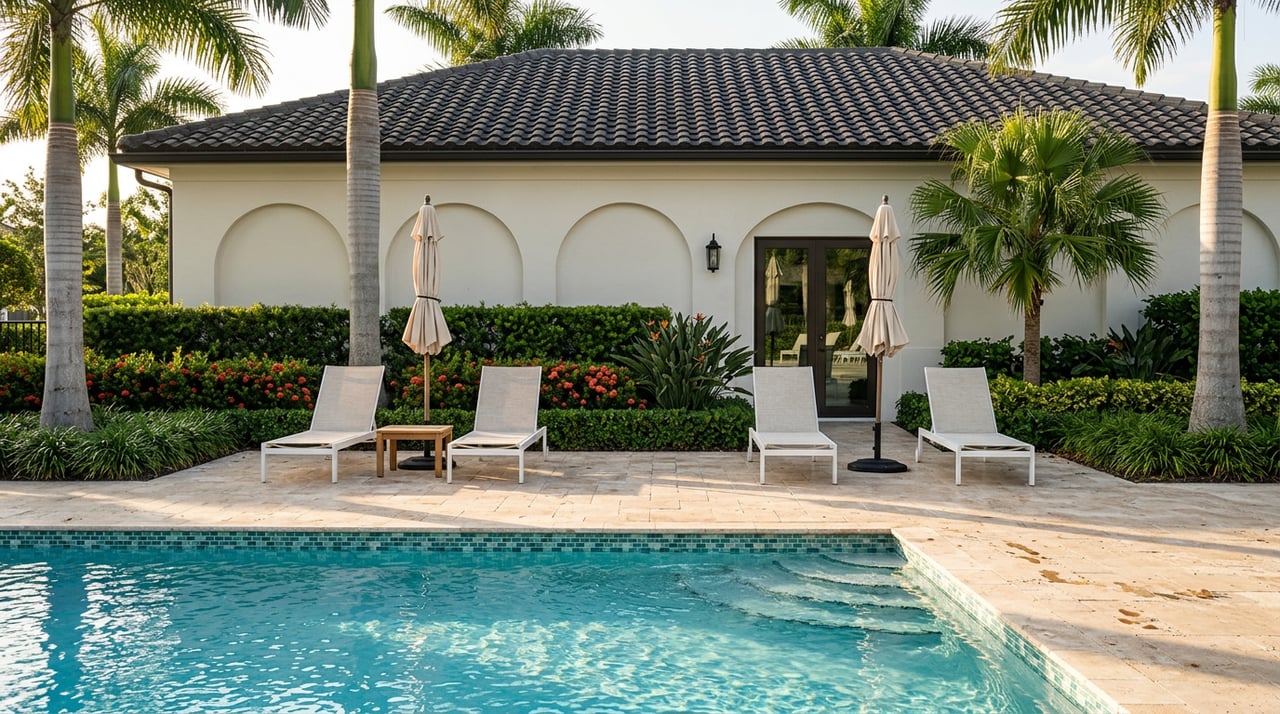
Ask whether a neighborhood has one pool or several, and what type. For example, Savanna is known for multiple pools that include a lap pool and a waterslide, plus a large clubhouse and kid-friendly spaces. Isles at Weston offers a large clubhouse setting with multiple pools and lakes. These features are great for activity and social time, but they also require staffing and maintenance that factor into dues.
Courts, fields, and paths
Look for basketball, tennis or pickleball courts, playgrounds, walking and bike paths, and open fields. Communities like Savanna emphasize family recreation with sports fields and playgrounds along with on-site programs. If regular play or group activities matter to you, put these items high on your checklist.
Golf and equestrian options
Some neighborhoods are built around golf or estate living. Weston Hills Country Club is a multi-neighborhood country club community with two 18-hole courses, tennis, aquatics, and a large clubhouse. Memberships can be social, tennis, or golf, and terms vary by phase. Windmill Ranch Estates offers large lots, privacy, and equestrian-friendly parcels. These differences shape fees, lifestyle, and how you will use the neighborhood.
Operations that affect your day to day
Amenities are only as useful as their access and rules. Ask about hours of operation, reservation policies for club rooms and courts, guest policies and fees, and whether lifeguards or attendants are provided. In some communities, certain amenities, like a country club, may be owned by a separate entity with its own membership fee. You can often find ownership clues by cross-checking the association names on the City’s HOA Annual Registration list.
Understand HOA and condo structures
Two common legal forms govern private communities in Florida: homeowners’ associations under Chapter 720 and condominium associations under Chapter 718. Each form has different statutory rules, disclosures, and owner obligations. Always verify the legal form for any listing and review the governing documents before you commit. For HOA requirements and owner rights, review Florida’s Chapter 720 statutes.
Master and sub associations
Many larger neighborhoods operate with a master association that handles shared infrastructure and amenities plus sub associations for individual villages. Fees can be split between master and sub associations, and responsibility for roads, gates, and pools can sit at different levels. Use the City’s HOA Annual Registration list to confirm all related associations for the address you are considering.
Money, reserves, and assessments
Your HOA dues fund both daily operations and long-term capital replacements. Typical coverage includes landscaping in common areas, pool maintenance, gate operations, private road repairs, and insurance for common property. The balance between operations and reserves matters. The Community Associations Institute explains what assessments pay for and how to read budgets in plain language. See CAI’s guide, Understanding assessments in community associations.
A recent reserve study is one of the strongest signs of financial health. Reserve studies estimate the timing and cost of major replacements such as paving and pool equipment. If reserves are underfunded or there is no current study, the risk of special assessments rises. For what to request and how reserve studies are structured, see the CAI Reserve Study Standards.
Florida law also requires associations to provide estoppel certificates within set timelines that disclose money owed, assessments, and compliance status. Order the estoppel early during your contract period and confirm details under Chapter 720.
Security, gates, and policing
Access control varies. Some neighborhoods use automated gates with codes, some have manned gatehouses, and others add roving security. Staffing raises ongoing costs, and security setups work differently in practice. Private security complements public safety resources. The Weston District of the Broward Sheriff’s Office offers crime prevention programs and vacation watch services. Learn about these local programs on the City’s page for Crime Prevention Programs.
Rules and lifestyle fit
Governing documents shape daily life. Review the Declaration, Bylaws, Rules and Regulations, and architectural guidelines. Focus on rental restrictions, minimum lease terms, guest limits, pet rules, exterior maintenance obligations, and architectural review procedures. Country club or clubhouse access may require a separate membership with its own fee. In some Bonaventure complexes, club membership is referenced for clubhouse access, so verify membership rules in the resale package.
A simple framework to compare communities
Use four axes to score each neighborhood from 0 to 10, then weight the categories based on your priorities.
1) Amenities
- List what exists: pools, clubhouse, fitness, courts, playgrounds, walking and bike paths, golf, or equestrian facilities.
- Judge condition with an in-person walk during the day and again on evenings and weekends. Look for clean pools, maintained paint, and working equipment. For what to look for on site, see this practical guide to community visits: Buying a home in a community association, part two.
- Note operational rules: hours, reservations, guest policies, and any extra fees.
2) Governance and rules
- Request the governing documents: Declaration, Articles, Bylaws, Rules, and architectural guidelines. Confirm whether the community is an HOA or a condominium. Start with Florida Chapter 720 for HOA basics.
- Confirm management: self-managed or professional manager. Use the City’s HOA Annual Registration list to verify the manager and contact.
- Review the last 12 months of board meeting minutes for clues about maintenance plans, fee increases, or potential assessments. Here is a helpful overview of why minutes matter: Buying a home in a community association, part two.
3) Cost and financial health
- Get the current budget and 2 to 3 years of financial statements. Use CAI’s plain-language guide to read operations versus reserves: Understanding assessments.
- Request the most recent reserve study and the board’s reserve funding policy. If no study exists, treat that as a caution. See the CAI Reserve Study Standards.
- Ask about special assessments in the last 5 years. Frequent or large assessments are a red flag.
- Order an estoppel early and confirm delivery timelines under Chapter 720.
4) Lifestyle and location
- Test drive commute times to major corridors like I-75, I-595, and the Sawgrass area during peak hours.
- Check proximity to grocery, pharmacy, medical services, and area schools, and how often you will use nearby shopping and dining, including Weston Town Center.
- Observe traffic, noise, and park use during evenings and weekends to confirm the neighborhood’s rhythm fits your routine.
Once you score each axis, weight the categories to fit your goals. A family buyer might weight Amenities at 35 percent, Lifestyle at 30 percent, Cost at 20 percent, and Governance at 15 percent. Rank your top three to five neighborhoods and schedule focused tours.
Buyer due diligence checklist
Gather these documents early from the seller, listing agent, or association manager:
- Declaration, Bylaws, Articles, Rules and Regulations. Start with Florida’s Chapter 720 to understand HOA rights and records.
- Current operating budget and the last two to three years of financial statements. Use CAI’s assessment guide to interpret the numbers.
- Most recent reserve study and reserve funding policy. Review the Reserve Study Standards for what to expect.
- Last 12 months of board meeting minutes and any special meeting notices. See guidance on what minutes can reveal: community association tips.
- Estoppel certificate. Confirm delivery timing and fee caps under Chapter 720.
- Insurance certificates for the association’s master policies and a summary of deductibles and coverage.
- List of current vendor contracts for landscaping, security, and pool maintenance and any long-term escalation clauses.
- Any pending litigation summary from association counsel.
Practical verification steps:
- Use the City’s HOA Annual Registration list to verify the correct manager contact before you request records.
- Run a City code and lien check via Weston’s Code Lien Search and confirm HOA lien and estoppel amounts with your title company during closing.
Red flags to watch
- No recent reserve study or low reserve funding. This can set up future special assessments.
- Large or repeated special assessments in recent years.
- Missing or late financial reports or difficulty obtaining records within statutory timelines.
- Long-term vendor contracts with above-market escalation clauses.
- Separate mandatory country club fees not included in stated HOA dues. Verify clubhouse or membership obligations in the documents.
- Pending litigation that could drain reserves or delay estoppels.
For background on why reserves and assessments matter, review CAI’s assessment guide and the Reserve Study Standards.
Local market context you can use
Price context helps set expectations before you compare fees and amenities. Redfin reported a median Weston sale price of about 645,000 dollars in January 2026. Zillow listed a typical home value near 718,845 dollars as of January 31, 2026. Each platform uses different datasets and time windows, so plan to use local MLS comps for a precise value range when you zero in on a specific community and home.
Pulling it together
The right Weston gated community comes down to fit. Look closely at the amenities you will use weekly, the rules that shape your daily routine, the association’s financial strength, and how the location supports your commute and errands. If a neighborhood checks your boxes on all four axes and the documents confirm solid reserves and consistent maintenance, you are on the right track.
If you want a local, data-forward partner to help you score and compare communities, reach out to Teresa Santana. Our team can help you target the right shortlist, schedule focused tours, and negotiate with confidence.
FAQs
What should I compare first when evaluating Weston gated communities?
- Start with four areas: amenities you will use often, HOA or condo rules, the association’s budget and reserves, and the neighborhood’s location for your daily routine.
How do HOA and condo communities differ in Florida?
- HOAs follow Chapter 720 and condominiums follow Chapter 718, which set different rules for disclosures, budgets, and owner obligations; always confirm the legal form and review the governing documents.
What do HOA fees usually cover in Weston?
- Common coverage includes landscaping for shared areas, pool operation, gate and security services, private roads, common-area insurance, and reserve funding for long-term replacements.
How can I verify an HOA’s financial health before buying?
- Request the current budget, 2 to 3 years of financials, the most recent reserve study, board minutes, and the estoppel; review the reserve funding level and any history of special assessments.
Are golf or clubhouse memberships included in HOA dues?
- Sometimes they are separate; country club facilities are often operated by a separate entity, so confirm if membership is optional or required and whether extra fees apply.
Do gated communities in Weston have 24/7 security?
- It varies; some have manned gatehouses or roving patrols while others rely on automated gates, so ask about staffing hours, coverage, and whether costs are included in dues or billed separately.